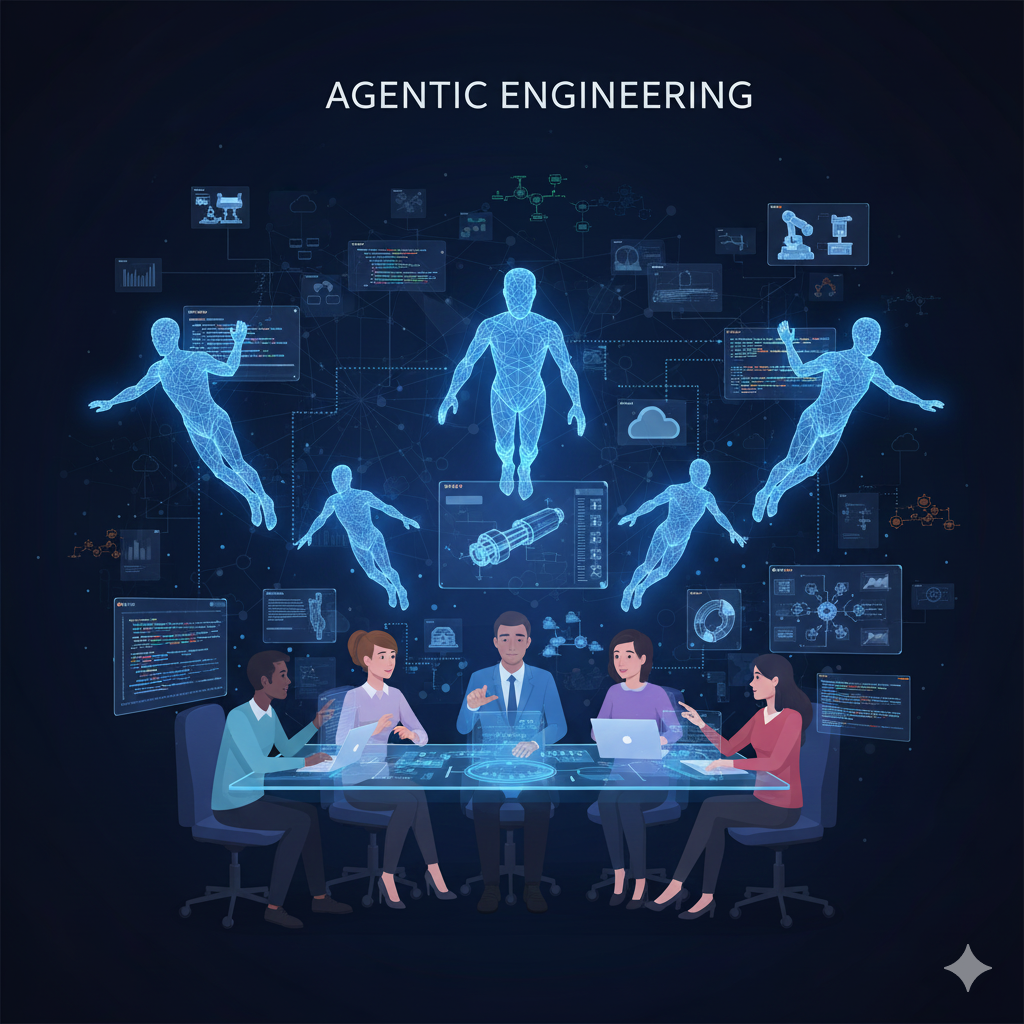
In the quiet hum of a modern engineering office, a subtle but seismic shift is occurring. It isn’t the clatter of new hardware or the neon glow of a specialized monitor; it’s the silence of “the grunt work” disappearing.
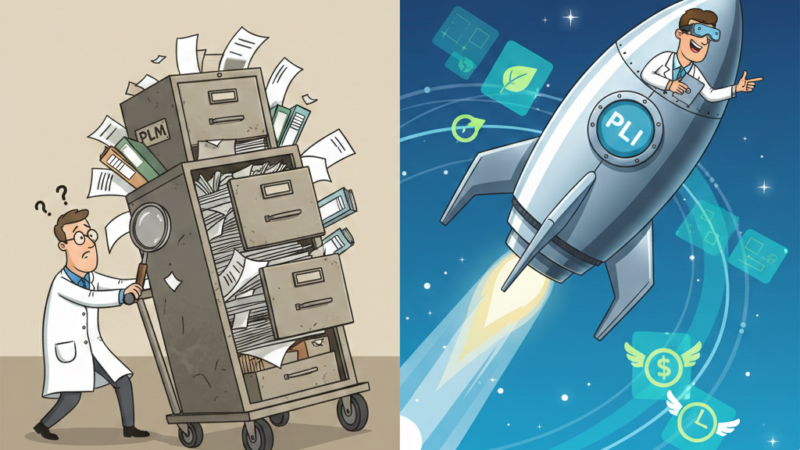
For decades, the engineering career path followed a predictable, almost sacred, trajectory. You started as a “junior,” spending your days (and often late nights) in the trenches—writing boilerplate code, manually routing traces on a PCB, or painstakingly updating assembly documentation. This was the “apprenticeship” phase, where you earned your stripes by mastering the minutiae.
But the era of Agentic Engineering has arrived, and it is fundamentally rewiring the ladder.
From “Code Monkey” to “System Conductor”
We’ve all heard of AI “Co-Pilots” like GitHub Copilot or ChatGPT. But we are moving beyond simple autocomplete. The new wave is Agentic AI—autonomous systems that don’t just suggest a line of code, but can reason through a complex goal, call external APIs, run their own tests, and even “talk” to other AI agents to resolve conflicts.
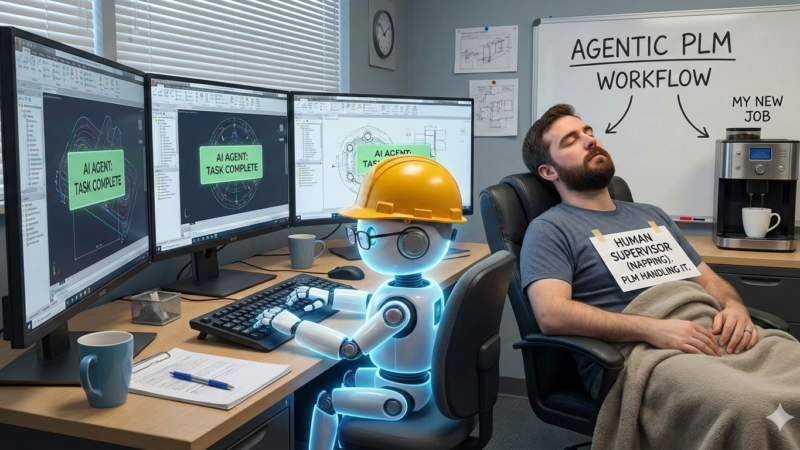
In this world, the engineer’s primary role is shifting. You are no longer just the “writer” of instructions; you are the Conductor.
Instead of typing out every function, you are defining the intent. You set the goal (“Build a secure, scalable authentication module using these specific protocols”), and your agentic partners go to work. They draft the code, generate the unit tests, and even check for security vulnerabilities against the latest global databases. Your job is to oversee, validate, and orchestrate.
The “Junior Gap”: A Career Path in Crisis?
This shift brings a challenging paradox. If AI can handle 80% of the tasks traditionally assigned to junior engineers, how do the next generation of engineers learn the basics?
A recent Stanford study highlighted a 13% decline in employment for early-career engineers in AI-exposed roles, while senior roles remained stable or even grew. The “training wheels” of the profession—the boilerplate and the bug-fixing—are being automated away.
The result? The first rung on the career ladder has been moved higher.
Today’s entry-level engineer is expected to possess “System-Level Thinking” on day one. You aren’t being hired to be a fast typist; you’re being hired to be a sophisticated validator. You need to know not just how to write a loop, but why the AI’s suggested loop might fail in a specific edge case. The barrier to entry is no longer about syntax; it’s about judgment.
The New Skill Stack for 2026
If you’re looking at your engineering career today, the “Must-Have” list has evolved. Technical depth in a single language is still vital, but it’s no longer sufficient. The new “Power Skills” are:
| Traditional Skill | The Agentic Evolution | Why it Matters |
| Syntax Proficiency | Agent Orchestration | Knowing how to chain multiple AI tools (like LangChain or AutoGen) to solve complex workflows. |
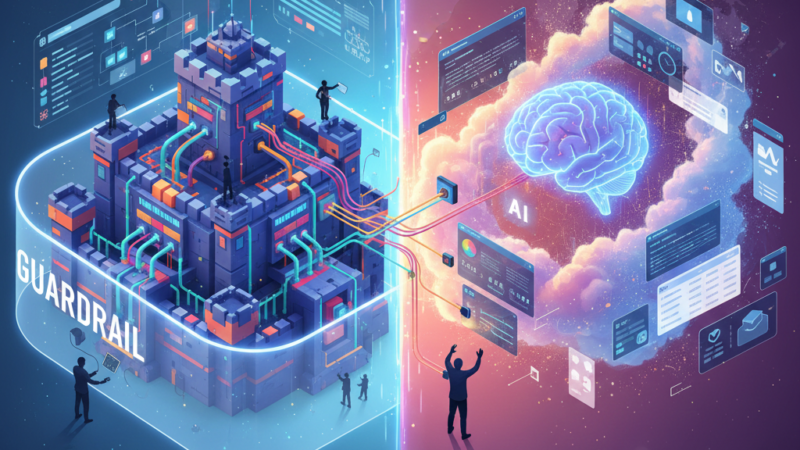
| Manual Debugging | AI Observability | Monitoring why an autonomous agent made a specific decision and setting “guardrails” to prevent drift. |
| Documentation | Context Design | Providing the right “knowledge base” (Vector databases) so your AI partner understands your company’s unique architecture. |
| Solo Problem Solving | Human-in-the-Loop Design | Knowing exactly when an AI should stop and ask for a human decision to ensure safety and ethics. |
Senior Engineers: The Architects of Autonomy
For senior engineers, the agentic era is a superpower. It allows a single lead architect to manage projects that previously required a team of five.
The focus moves toward Design Authority. You aren’t spending your time reviewing 1,000 lines of manual code; you’re reviewing the logic flows and risk profiles of the systems your agents have built. You are the curator of the “Single Source of Truth,” ensuring that the designs generated by AI align with the long-term strategic goals of the company.
The Rise of the “Generalist Specialist”
In the pre-AI world, “Specialization” was the name of the game. You were a “React Developer” or a “Firmware Engineer.”
Agentic AI is forcing a return to the Generalist. Because the AI can handle the “translation” between different technical domains, the most valuable engineers are those who understand how everything fits together. They can talk to the product team about user stories, understand the security implications of a cloud deployment, and guide an AI agent through a hardware-software integration—all in the same afternoon.
Embracing the “Co-Pilot” Mindset
The fear that “AI will replace engineers” is slowly being replaced by a more nuanced reality: Engineers who use AI will replace engineers who don’t.
The career path of the future isn’t about competing with the machine; it’s about finding the “Human-Native” edge. Machines are great at logic, patterns, and brute-force iteration. Humans are still the undisputed masters of:
- Nuance and Empathy: Understanding what a user actually needs, not just what they asked for.
- Ethical Judgment: Making the “tough calls” that involve social or environmental impact.
- Creative Leapfrogging: Coming up with a radical new architecture that doesn’t exist in the training data.
Conclusion: Your Story, Their Support
Agentic engineering isn’t the end of the engineering career; it’s an upgrade. It’s moving us away from being “industrial workers” of the digital age—cogs in a coding machine—and back toward being true Inventors.
As you navigate this transition, don’t just learn the tools. Learn the Orchestration. Understand that your value is no longer in the volume of your output, but in the clarity of your vision and the rigor of your oversight. The AI is the co-pilot, but the destination is entirely up to you.